
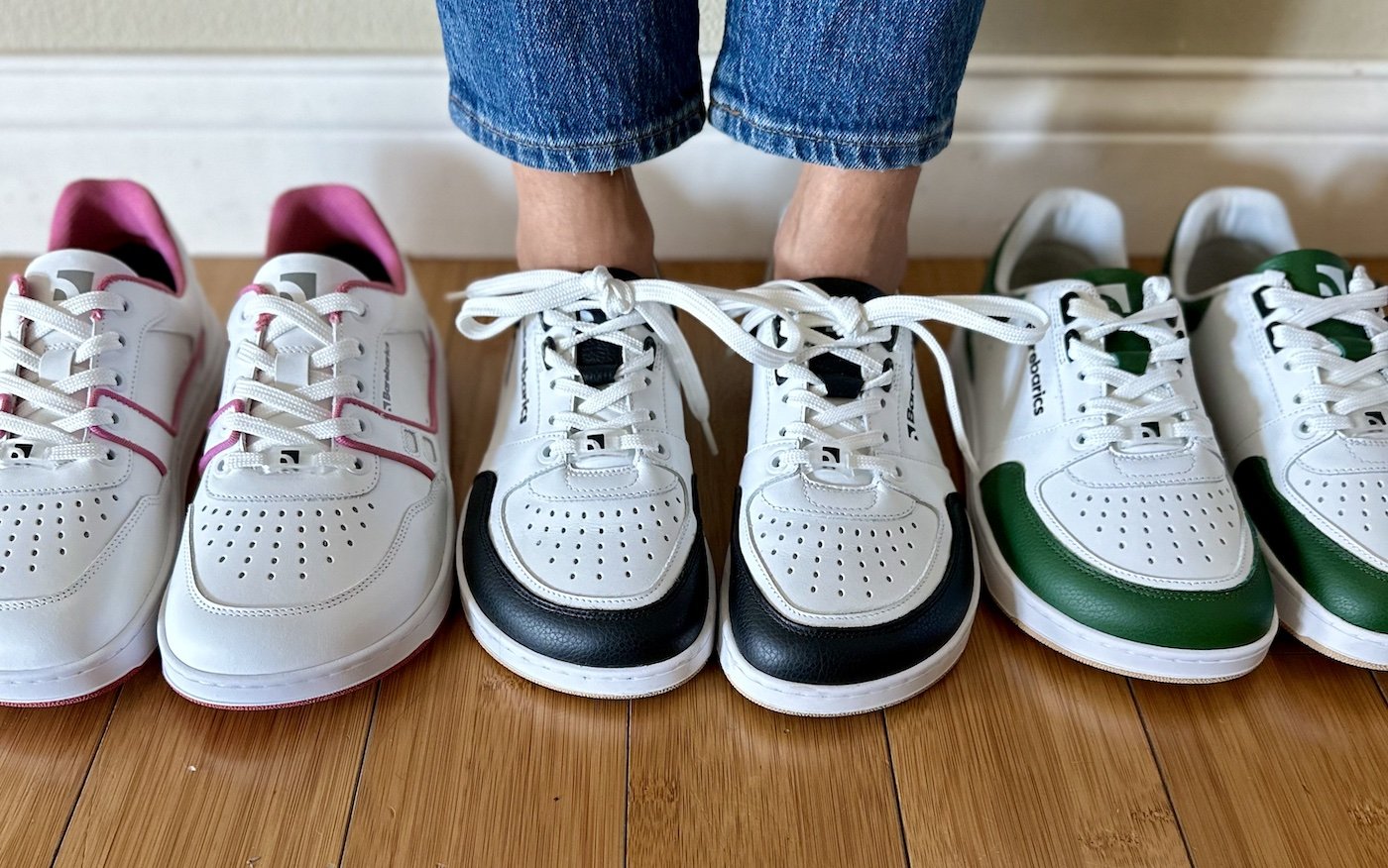
When people talk about barefoot shoes, many envision walking barefoot – a fundamentally different way of moving compared to the conventional shoes we commonly wear. Transitioning to barefoot shoes can initially be somewhat challenging, but numerous testimonies attest to the immense benefits. If you’re considering this change, this article will guide you step-by-step on how to start and what you need to know.
Barefoot shoes, also known as “barefoot footwear,” are designed to mimic the sensation of walking barefoot. These shoes are characterized by their thin and flexible soles, allowing your feet to move naturally and simulate walking with bare feet. Among the brands available, Barebarics specializes in offering high-quality barefoot shoes that combine comfort and style.
There are many reasons why people transition to barefoot shoes.
1. Gradual Adjustment
Starting with barefoot shoes doesn’t mean you need to eliminate all your old shoes immediately. The transition should be gradual:
2. Choosing the Right Barefoot Shoes
When selecting barefoot shoes, consider the following:
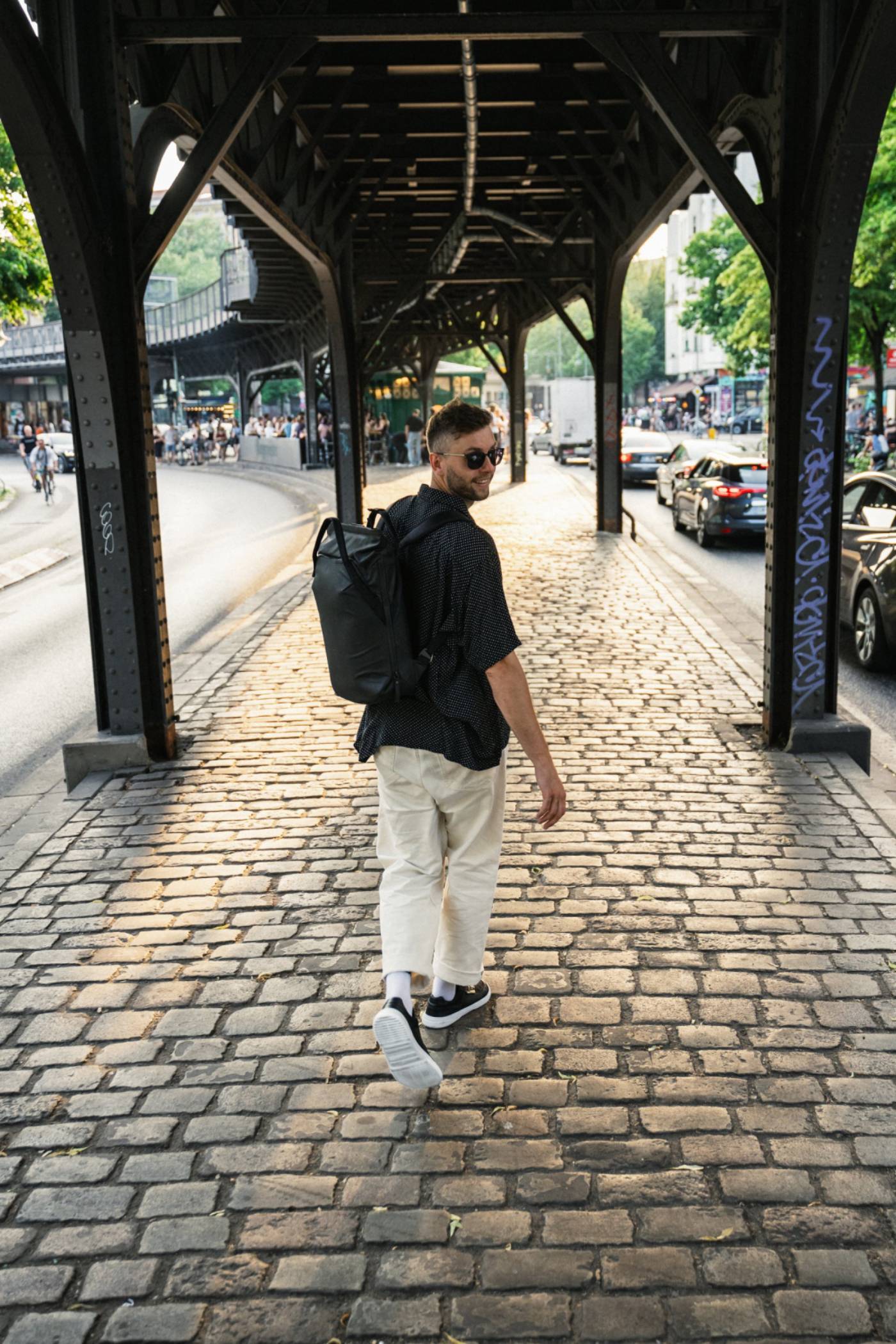
If you’re new to barefoot shoes, here are three models from Barebarics that are excellent for beginners:
Barebarics Revive: This model is great for beginners as it combines barefoot technology with slight cushioning. They offer ample space for the toes and comfort, making them ideal for those transitioning from traditional to barefoot shoes. Moreover, they sport a modern and stylish design.
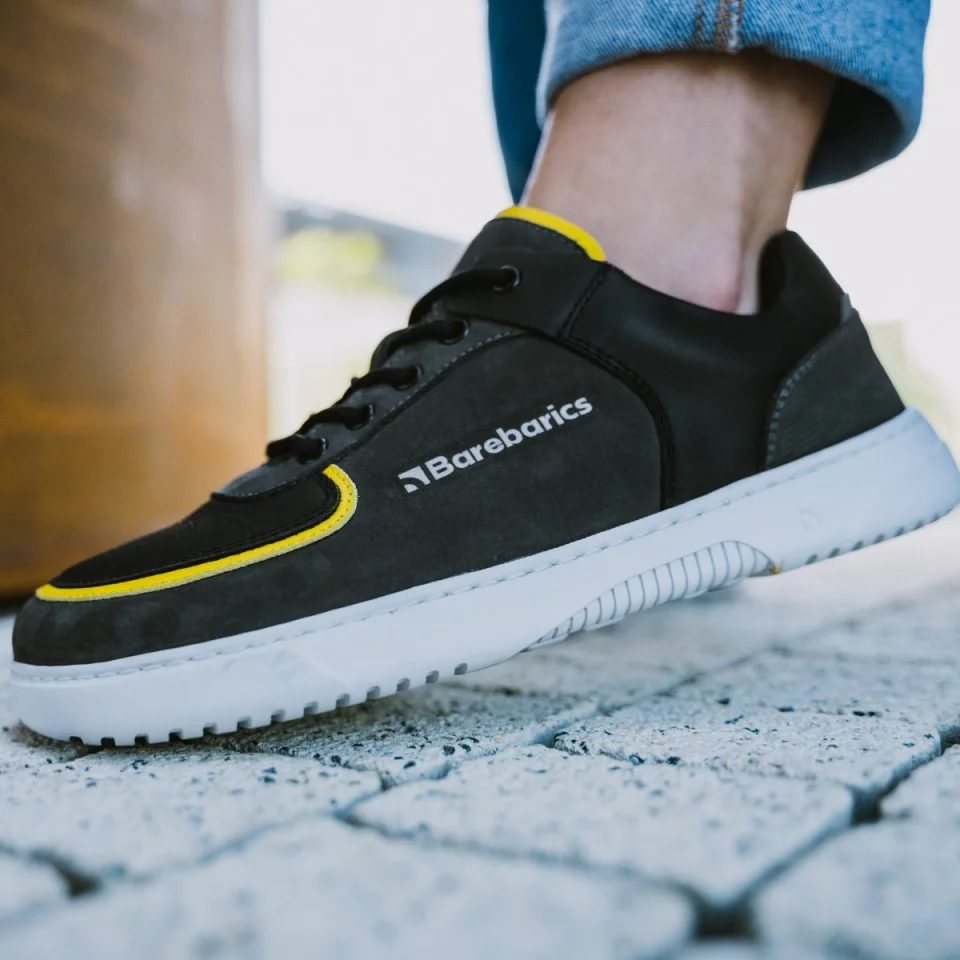
Barebarics Apollo: This model features a higher cut, providing better support for the ankle. It’s very comfortable for everyday wear while allowing the natural movement of the foot. It’s suitable for those looking to gradually transition to barefoot shoes without compromising comfort.
Barebarics Bravo: These shoes are very versatile, easy to wear, and designed for everyday use. They have a specially shaped sole that offers natural contact with the ground but isn’t too thin, making the transition to barefoot shoes comfortable and smooth.
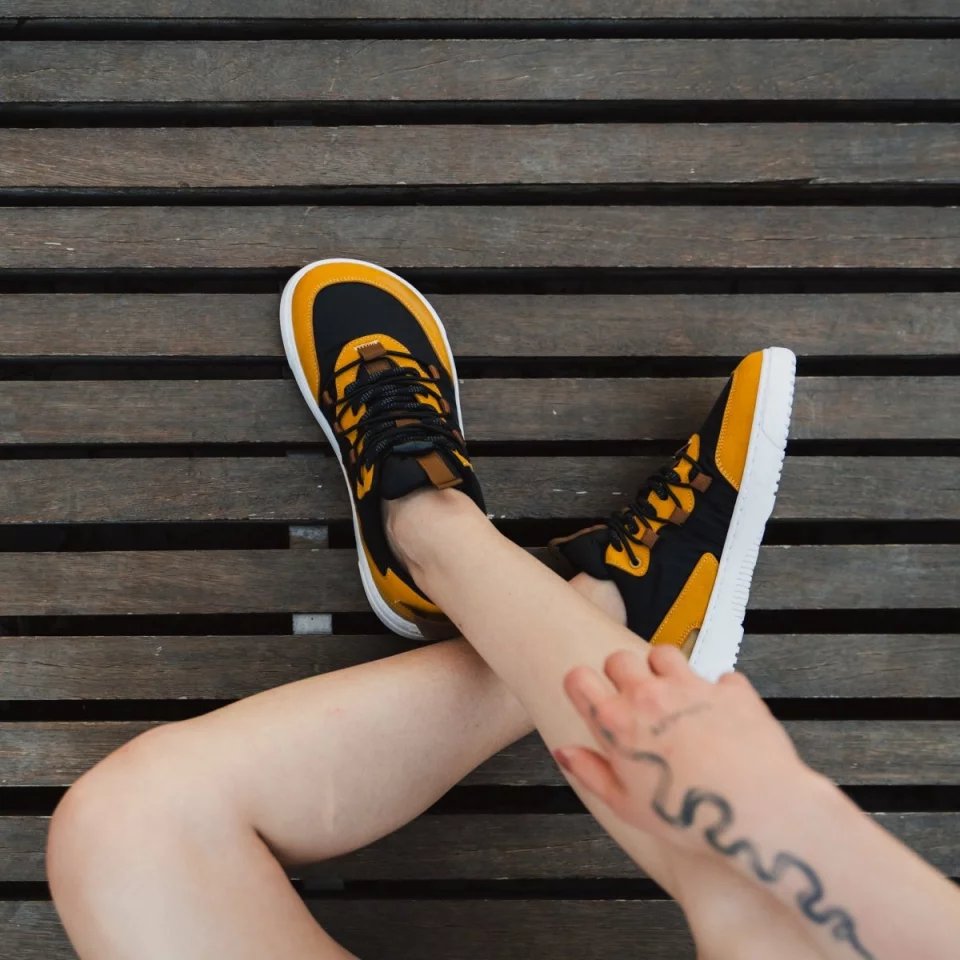
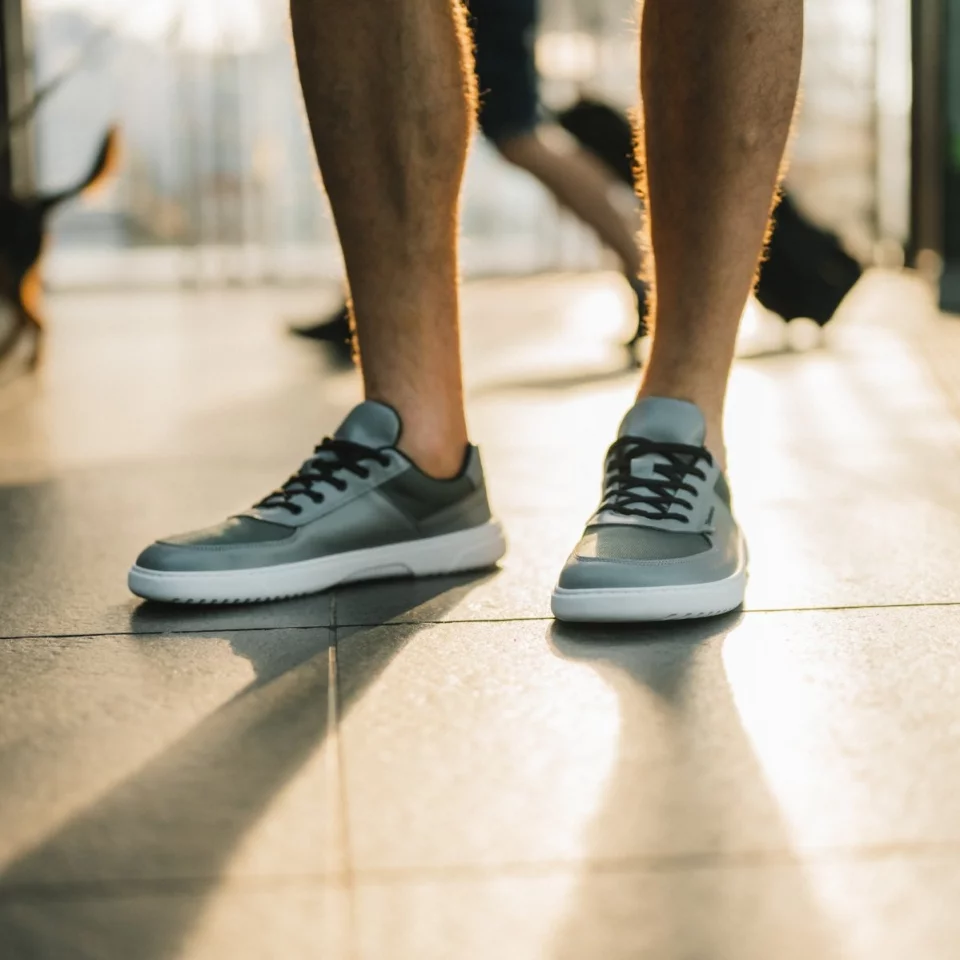
Transitioning to barefoot shoes requires more diligent foot care:
Transitioning to barefoot shoes requires more diligent foot care:
Transitioning to barefoot shoes is a process that requires time and patience. However, the rewards include better foot health, increased proprioception, and overall well-being. The Barebarics brand offers a wide range of quality barefoot shoes to assist you in this journey. By maintaining the right approach and listening to your body, barefoot shoes can be a pleasant and healthy change for you.
So, put on your Barebarics shoes and embark on your journey towards more natural movement!
